
FCDC-3 and Server Information (Zenitel Connect Pro): Difference between pages
From Zenitel Wiki
(Difference between pages)| Line 1: | Line 1: | ||
{{ | {{C}} | ||
The | The tile '''Server Information''' in the '''System''' section provides information and status of the system and the devices. There are three main selections: | ||
* '''Zenitel Connect''' | |||
* '''Devices''' | |||
* '''Calls''' | |||
<table style="max-width:80%; border-style: double; border-color: #c7c7c7;"> | |||
<tr style="rowspan:2;"> | |||
<td style="display: block; vertical-align: bottom;">[[Image:ZCP SystemInformation.PNG|700px]]</td> | |||
</tr> | |||
<tr> | |||
<td style='background-color:#efefef;'>System Information page</td> | |||
</tr> | |||
</table> | |||
== Zenitel Connect information == | |||
<br | '''General Info'''<br> | ||
Shows the software version, as well as system information fetched from the license file. | |||
'''Container Status'''<br> | |||
Health status of the different containers which make up the complete Zenitel Connect Pro software package. | |||
'''Open Source licenses'''<br> | |||
Provides a list of all open source licenses of open source software which is used by Zenitel Connect Pro. | |||
<br> | <br> | ||
== | == Devices information == | ||
Provides an overview of the status of devices. In addition there is an icon on the top banner that shows the number of devices with issues. Clicking on this icon will take you to the device overview page. | |||
< | <table style="max-width:80%; border-style: double; border-color: #c7c7c7;"> | ||
<tr style="rowspan:2;"> | |||
<td style="display: block; vertical-align: bottom;">[[Image:ZCP DeviceStatusBanner.PNG|700px]]</td> | |||
</tr> | |||
<tr> | |||
<td style='background-color:#efefef;'>Status and quick link to the Device Status page. Here: 5 devices with issues.</td> | |||
</tr> | |||
</table> | |||
In the Device Status page one can view '''All''' devices, or only devices with '''Issues'''. | |||
<table style="max-width:80%; border-style: double; border-color: #c7c7c7;"> | |||
<tr style="rowspan:2;"> | |||
<td style="display: block; vertical-align: bottom;">[[Image:ZCP DeviceStatus17.jpg|700px]]</td> | |||
</tr> | |||
<tr> | |||
<td style='background-color:#efefef;'>Device status</td> | |||
</tr> | |||
</table> | |||
The '''Operational Status''' is either: | |||
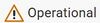
*'''Operational''': The device is operational and can make and receive calls. Any pending configuration update is indicated by an exclamation mark: [[Image:ZCP Exclam Status.jpg|align="left"|100px]] | |||
*'''Not Operational''': The device is out of service. | |||
If you hover over the "Operational Status" you will see more details: | |||
* '''Operational''': will be '''Yes''' or '''No''' | |||
* '''Device Status''': Possible statuses: | |||
** '''Configured''': The device configuration is up to date | |||
** '''Unconfigured''': Configuration changes are made, but not yet transferred to the device. | |||
** '''Unpaired''': The device has not yet received its initial configuration. | |||
** '''Offline''': The device is offline and is out of service | |||
* '''WAMP Status''': Shows '''Online''' if the WAMP communication protocol between the ZCP and the Zenitel device is ok. Must be '''Online''' for the device to be operational. (Shows "N/A" for devices that don't support WAMP, such as the ITSV, Generic SIP and WebRTC devices). | |||
* '''SIP Status''': Shows '''Online''' if the device is registered to the ZCP. Must be '''Online''' for the device to be operational. | |||
By clicking on the radio button to the left of a device, more details will be displayed on that particular device: | |||
<table style="max-width:80%; border-style: double; border-color: #c7c7c7;"> | |||
<tr style="rowspan:2;"> | |||
<td style="display: block; vertical-align: bottom;">[[Image:ZCP DeviceStatus17 2.jpg|350px]]</td> | |||
</tr> | |||
<tr> | |||
<td style='background-color:#efefef;'>Detailed device status for station number 112</td> | |||
</tr> | |||
</table> | |||
*'''Identify''': Will play a tone in the loudspeaker for a few seconds, making it possible to identify the location of the device. | |||
* '''Tone Test''': Verify that the loudspeaker and microphone is fully functional by playing a test tone in the loudspeaker which is picked up by the microphone. | |||
* '''Button Test''': Verify that the call button is fully operational. Applicable to the [[Vandal Resistant intercom - VR3G-1P]] only. | |||
<br> | |||
== Calls information == | |||
Shows the number of active calls and [[Broadcasts (Zenitel Connect Pro)|broadcasts]] in the system. | |||
If you need to reboot the system it is good practice the check that there are no active calls before rebooting. | |||
[[ | <table style="max-width:80%; border-style: double; border-color: #c7c7c7;"> | ||
< | <tr style="rowspan:2;"> | ||
<td style="display: block; vertical-align: bottom;">[[Image:ZCP CallsStatus.PNG|400px]]</td> | |||
</tr> | |||
<tr> | |||
<td style='background-color:#efefef;'>Call status: Currently two active calls</td> | |||
</tr> | |||
</table> | |||
<br> | |||
<br | |||
[[Homepage (Zenitel Connect Pro)]] | |||
[[Category: | [[Category: Zenitel Connect Pro]] | ||
Revision as of 12:37, 24 October 2025

The tile Server Information in the System section provides information and status of the system and the devices. There are three main selections:
- Zenitel Connect
- Devices
- Calls
 |
| System Information page |
Zenitel Connect information
General Info
Shows the software version, as well as system information fetched from the license file.
Container Status
Health status of the different containers which make up the complete Zenitel Connect Pro software package.
Open Source licenses
Provides a list of all open source licenses of open source software which is used by Zenitel Connect Pro.
Devices information
Provides an overview of the status of devices. In addition there is an icon on the top banner that shows the number of devices with issues. Clicking on this icon will take you to the device overview page.
 |
| Status and quick link to the Device Status page. Here: 5 devices with issues. |
In the Device Status page one can view All devices, or only devices with Issues.
 |
| Device status |
The Operational Status is either:
- Operational: The device is operational and can make and receive calls. Any pending configuration update is indicated by an exclamation mark:
- Not Operational: The device is out of service.

If you hover over the "Operational Status" you will see more details:
- Operational: will be Yes or No
- Device Status: Possible statuses:
- Configured: The device configuration is up to date
- Unconfigured: Configuration changes are made, but not yet transferred to the device.
- Unpaired: The device has not yet received its initial configuration.
- Offline: The device is offline and is out of service
- WAMP Status: Shows Online if the WAMP communication protocol between the ZCP and the Zenitel device is ok. Must be Online for the device to be operational. (Shows "N/A" for devices that don't support WAMP, such as the ITSV, Generic SIP and WebRTC devices).
- SIP Status: Shows Online if the device is registered to the ZCP. Must be Online for the device to be operational.
By clicking on the radio button to the left of a device, more details will be displayed on that particular device:
 |
| Detailed device status for station number 112 |
- Identify: Will play a tone in the loudspeaker for a few seconds, making it possible to identify the location of the device.
- Tone Test: Verify that the loudspeaker and microphone is fully functional by playing a test tone in the loudspeaker which is picked up by the microphone.
- Button Test: Verify that the call button is fully operational. Applicable to the Vandal Resistant intercom - VR3G-1P only.
Calls information
Shows the number of active calls and broadcasts in the system.
If you need to reboot the system it is good practice the check that there are no active calls before rebooting.
 |
| Call status: Currently two active calls |